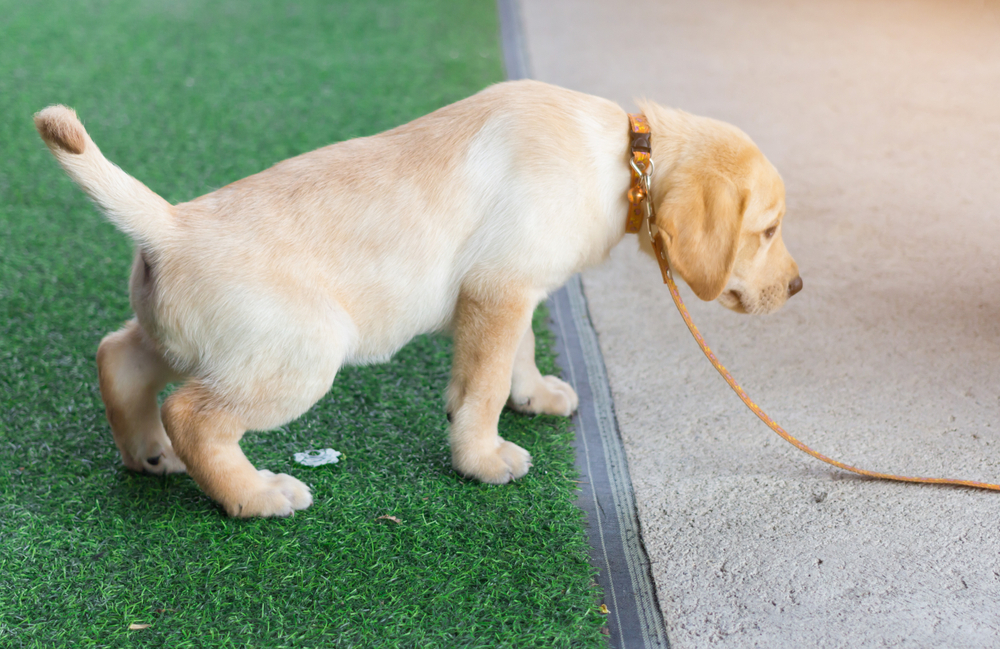
House Training Your Dog: Quick and Easy Tips for Prevention

House Training Your Dog: Quick and Easy Tips for Prevention

When you bring your new puppy or dog home, it can be a bit overwhelming. You have to figure out the basics of housebreaking and potty training your furry friend. Don’t worry - we are here to help you through this process!

If you are a dog owner, house training your pup is probably one of your top priorities. It can be frustrating when your dog doesn’t seem to understand what it is you want from them, but with a little bit of patience and these quick tips, you will be on your way to having a house-trained dog in no time!

When housetraining a dog, you must take them out frequently – at least every few hours – so that they can learn when and where it is appropriate to relieve themselves.

It is also important to be consistent with your communication, using the same word or phrase each time you take them out so that they can associate it with going potty. And finally, management is key!

If you are not able to keep a close eye on your dog at all times, confining them to a small space such as a crate or exercise pen can help prevent accidents from happening.

Keep the bathroom area accessible and comfortable; if you don’t they will prefer going in the house, where the ground is dry, leveled, and isn’t hard to get to. Allowing your dog outside several times per day will guarantee the opportunity to reward it for wanted behaviors.

If you are not offering them the opportunity to relieve themselves, they will likely have an accident in the house. If this happens, do not scold or punish your dog as this will only confuse them. Instead, clean up the accident and continue with a consistent potty training routine.

With these three things in mind – structure, consistency, and management – you will be well on your way to house training success!

When should I take my dog out to relieve themselves?

House Training Your Dog: Quick and Easy Tips for Prevention 1

How often you take your dog out will depend on its age, breed, and size. Puppies, for example, need to go more frequently because their digestive systems work quickly and they haven’t yet developed bowel or bladder control.

Adult dogs can usually hold it for longer periods – anywhere from four to eight hours – but this will also depend on individual factors such as how much they ate or drank that day, whether they are house-trained, and so on.

Set them up for success, allow them to go to the bathroom every time after they:

  • Wake up in the morning
  • It eats a meal or drinks water
  • It wakes up from a nap
  • Playing/ moving (“airing out”)
  • Leaving a crate, play-pen, or area where they re-adjusting their state of mind
  • start to wind down and relax before bed

By taking your dog out regularly, and paying attention to any body language signals that indicate the need to go to the bathroom (circling, sniffing, arching the back, squatting), you can help keep them healthy and accidents indoors.

Your dog may have to go outside during the night. Your dog may not be able to hold it in for long. Listen for any restlessness or crying to detect this. This is a sure indication that your dog has to go out. When you believe that the dog is giving a sign that it needs to go to the bathroom, that is the only option you should offer. This helps prevent barking, whining, and crying for attention.

By consistently offering to go out to the bathroom with you, your dog will begin to understand that it is a wonderful experience not to be missed out on. You will see them start walking toward the door on their own when they need to go.

How often should a puppy use the restroom?

A puppy’s digestive system is very quick, so they need to relieve themselves often – usually every few hours. This will depend on individual factors such as age, breed, and size, but as a general rule of thumb, take your pup out:

  • 2-4-month-olds will need a bathroom break every two to three hours.
  • 4 months and older will need a break every four to five hours.
  • 5 months and older are capable of sleeping through the night.

When to name the act?

Naming the act can be tricky. You want to make sure you use the same word or phrase each time so that your dog can associate it with going potty. However, you also don’t want to use a word that is too general, such as “outside” or “go,” as this could confuse your dog if you are also using it to ask them to go for a walk or play fetch.

Some people like to use the phrase “go potty” or “do your business,” while others simply say “hurry up” or “get busy.” Whichever you choose, just be consistent with your communication, and your dog will learn in no time!

Tips for teaching your dog what the word means:

  • As your dog begins to relieve itself, start saying the phrase you want (I use “Go potty”) in a calm/soft voice. When used consistently, your dog will associate the word with the act of relieving themselves.
  • Everyone handling the dog must use the same word.
  • Don’t interrupt (reward/praise) at the beginning or middle of your dog relieving itself. If you feel that you want to, please do so at the very end.
  • You won’t need to use rewards for going to the bathroom in the future, going to the bathroom is a rewarding experience in itself.
  • Separate the act of play/training from going to the potty area.
  • Use the same area every time for the first few weeks; this will make it easier for your dog to know what the goal is.
  • Reward with treats/toys when playing/training. However aim to remove rewards when going potty after the first few times, some dogs learn to hold it or try to relieve themselves in front of you at random times for a reward.
  • After your pet has gone potty, do not rush back inside. Allow a few minutes to pass. If you bring them immediately indoors after they have gone potty, they can learn to hold out on going “potty” to stay outside longer.

Consistency with Food and Water:

House Training Your Dog: Quick and Easy Tips for Prevention 2

Another important factor in house training is being consistent with your daily activities. Dogs need to have a regular feeding and drinking schedule so that their bodies can adjust and be prepared for potty breaks.

Feeding:

If you free-feed your dog (leaving food out all day for them to graze on), it will be more difficult to potty train because their digestive system will be constantly working. It’s best to feed your dog two or three times a day – one in the morning and one at night -and remove the food in between meals.

Aim to feed your dog at the same time each day, this will help them learn when it is time to eat and to understand their bodies. After your dog finishes eating or drinking water, wait 5-15 minutes and take them outside and your bathroom cue word.

Water:

Water is essential for all dogs, dogs typically need one ounce of water per pound of body weight per day, so a 50-pound dog would need at least 50 ounces (a little over six cups) of water each day.

Avoid giving your dog too much water right before bed. To avoid your dog waking you up throughout the night to use the restroom, decrease their water intake a few hours before bedtime. In addition, please provide as much water as he or she wants when they awake in the morning. If your puppy can hold it all night without any accidents, then feel free to give them unlimited access to water during daytime hours.

Prevention Management: Crates, Pens, Tie-backs.

House Training Your Dog: Quick and Easy Tips for Prevention 3

Management is a must for potty training success. The best way to potty train your dog is by keeping it leashed or in a designated area until it learns not to relieve itself inside the house. The more accidents your dog has, the harder it will be to house train them, so it’s important to be proactive about prevention.

To keep your dog from sneaking into a room and taking advantage of going to the bathroom when you aren’t watching it. You can use these different tools to manage your dog while you’re gone or when you can’t keep a close eye on them.

Pens:

Puppy pens are great tools for house training because they give your puppy a designated area to stay in. Make sure the pen is big enough for your puppy to move around in, but not so big that they can use one end as a bathroom and the other as a play/sleeping area.

Tie-backs:

You can use a tie-back to keep them in one area. A tie-back is simply a leash that’s been looped around something sturdy and tied off. You can use a doorknob, table leg, or anything else that’s sturdy enough to hold your dog. Just make sure you attach it to something that won’t move if your dog pulls on it.

Baby gates:

Baby gates are another way to keep your dog contained in one area. You can use them to block off rooms or stairways. Just make sure the gate is tall enough that your dog can’t jump over it.

Crates:

House Training Your Dog: Quick and Easy Tips for Prevention 4

Crates are great for house training because they give dogs a den-like space of their own. They are one of the best tools for preventing accidents and other behavioral issues.

With a crate, be careful not to keep your dog in there longer than it can control his bladder or bowels. Anytime a dog comes out of the crate, they first need to be allowing going to the bathroom as soon as possible.

If your dog doesn’t relieve themselves when you first take them out, it’s best to put them back in the crate and try again later. You can use freedom as a reward after they’ve successfully gone to the bathroom outside.

A crate can either be used as a place for your dog to stay when you’re not home or as a way to confine them while you’re potty training. If you decide to use the crate method, make sure to get a crate that’s the right size for your dog. It should be big enough for them to stand up, turn around, and lie down comfortably.

Keep it Clean:

House Training Your Dog: Quick and Easy Tips for Prevention 5

Taking care of any accidents will help the dog understand that going to the bathroom inside is not acceptable. If you find an accident after the fact, it’s best to clean it up with an enzymatic cleaner specifically designed for pet stains. These cleaners break down the urine so that your dog can’t smell it and be tempted to go to the same spot again.

Anything that your dog goes to the bathroom on, you will need to clean A.S.A.P. Remove any odors, this will keep your dog from coming back to the same area over and over again. Two great products specifically formulated for this are Nature’s Miracle and Simple Solution.

Direction vs Correction:

If you want your dog to learn not to relieve itself inside, yelling or punishing it after the fact won’t work; it will only teach the dog to be afraid of relieving itself in front of you. Instead, you need to focus on prevention and positive reinforcement.

The best way to house train your dog is by using a combination of management, structure, and communication.

  • Management will help you keep your dog from having accidents in the first place.
  • Communication will help you learn the exact location to go potty.
  • Structure will let your dog know that there is a specific time and routine to trust.

When house training, you should always keep in mind that dogs are creatures of habit. So, the key to success is consistency. If you’re consistent with your house training routine, your dog will learn quickly and be house-trained in no time!

If you see your dog going in the house softly clap your hands, say “no” or pick it up from the area (it’s all right to startle it gently), then put on a leash and go immediately outside. Don’t correct or punish it after it has happened.

Teaching your dog where to go:

House Training Your Dog: Quick and Easy Tips for Prevention 6

If you’re like most pet owners, teaching your furry friend how to do their business outdoors was probably at the top of your list of priorities when you brought them home.

Dogs are remarkably intelligent creatures and with a little patience on our part can learn where we would prefer them to relieve themselves quite easily (and hopefully prevent any unwanted messes indoors). Follow these simple steps below and soon enough you’ll have a well-trained pup who knows exactly what to do when nature calls:

  • The first step is to designate an area outside for your dog to use as their bathroom. This should be a spot that is easily accessible and close to the house. 
  • Once you’ve picked out a spot, start by bringing your dog there every day when he is not already eliminating elsewhere. If they eliminate successfully, praise. If they don’t go, take them back inside to a crate or pen without any punishment or scolding; just try again later. 
  • It may take some time before your dog gets the hang of things, so be patient! Once they have learned where to go, continue to bring them outside periodically even after they have stopped having accidents in the house – this will help reinforce the behavior. 

Conclusion:

Teaching your dog where to relieve himself is an important task that all pet owners must undertake. It can be a daunting process, but following these simple guidelines will help prevent accidents and keep your home clean and odor-free. So let’s get started!

You might also like

Table of Contents

Login

Welcome Back!

Please enter your username & password.