Table of Contents
A Relaxed Dog Takes More Than a Command
If you’re a dog owner or new dog parent, you’ve likely encountered some puzzling behaviors from your dog, particularly barking and whining. These vocal cues can be confusing and sometimes frustrating.
You relationship with your dog will thrive by learning to understand the difference with each sound, and have a plan of what you want to do when it happens. For example, new owners confuse a puppy in a crate crying in pain or for a potty break when in fact it is throwing a tantrum (over-tired) or whining (for attention).
Before we start we need to honor the fact that dogs are vocal animals, this mean you should allow and expect some level of vocal expression from your dog. Canines use vocalizations (sounds) naturally to communicate with each other and even with us. They bark, growl, howl, whine, whimper and make a variety of other sounds for different reasons.
Below I’ll share some common questions about why dogs bark and whine, and practical tips to manage these behaviors.
Practical Solutions To Consider:
Calm State of Mind Rewards:
Lets focus on rewarding the appropriate state of mind for activities. This means that the dog is rewarded for being in a calm state before starting an activity, such as going for a walk or meeting new people. Offer treats, praise, or affection when your dog is quiet and relaxed. This positive reinforcement helps them associate calm behavior with rewards. In contrast, you can allow for jumping up, barking or zoommies when you play a game with a certain toy or do a specific activity.
Ensure Adequate Exercise:
Covering your dogs daily needs for active physical movement. Exercises can range from walking to playing fetch, nose games or going for a run. Depending on the breed and age of your dog, the amount and type of exercise needed may vary. Engage in daily walks, play sessions, train advanced obedience and tricks are an excellent way to fulfill both the physical and mental needs of dogs.
Impulse Control Training:
Your dog’s obedience training, socialization experience, and triggers will greatly influence teaching it not to bark at everything. Some dogs bark or whine in response to a certain trigger such as a doorbell ringing, other animals passing by, or loud noises. We need to identifying these triggers and gradually desensitizing your dog through positive reinforcement training methods and rewarding desired behaviors rather than focusing on punishing unwanted ones.
Enrichment / Mental Stimulation:
Dogs are intelligent creatures and require mental stimulation to keep them happy. It is equally important to provide mental stimulation and enrichment activities for your dog. This can include puzzle toys, training sessions, interactive games or even just exploring new environments. By keeping their mind busy, dogs are less likely to resort to barking or whining out of boredom.
These solutions can be used in combination with each other to effectively manage barking and whining in dogs. It’s important to remember that every dog is unique, so it may take some trial and error to find the best approach for your situation. With patience, consistency, boundaries and positive reinforcement techniques, you can help your dog learn to communicate in a way that is appropriate for both of you.
“Protocol for Relaxation”
Keeping your dog calm and content in a crate, on “Place,” or under any command during highly stimulating situations can be overwhelming for everyone involved. The key to getting your dog to stay put goes beyond issuing commands. It’s about cultivating a strong, distraction-resistant behavior through consistent repetition and patience.
Most dogs will go to their Crate or “Place” on command after a few short training sessions; however, it will not be distraction-proof until many (100- 500) successful repetitions are done. For the first weeks, give the command “place” ONLY when the behavior wanted is predictable or you are capable of physically guiding your dog to the bed.
This Protocol is a step-by-step breakdown using a similar process to my formulas “The 3C’s, 3E’s and 3C’s”, Teaching your dog to stay calm or in a neutral state of mind. I have used this protocol with over 100 dogs with anxiety and reactive issues. This protocol can also be used with Tie baclsCrate, “Place” or with any command. It is a very logical, stress-free manner that is a helpful guide for teaching, measuring, and advancing your dog’s level of communication.
This is the simplified version Protocol for Relaxation By Dr. Karen L. Overall.
For those of you training a high-anxiety dog or just looking to level up your understanding of animal behavior modification. This advance version of the “Protocol for Relaxation” has deeper insights into animal behavior modification.

Why do dogs bark?
Barking is a natural form of communication for dogs. It can signify different emotions such as excitement, fear, or alertness. Some common reasons why dogs bark include:
- Greeting: Dogs may bark to greet their owners or other people they know.
- Protection: Barking can also be a way for dogs to protect their territory or family.
- Attention seeking: Similar to humans, dogs may use barking as a way to get attention from their owners.
- Boredom: Dogs who lack mental and physical stimulation may resort to barking out of boredom.
- the dog has been allowed to bark when exciting things are happening.
Dogs bark for various reasons including:
- Alerting their owners to potential danger
- Expressing fear or anxiety
- Seeking attention or wanting to play
- Reacting to perceived threats or strangers
It’s important to understand that barking is a natural behavior for dogs and it’s their way of communicating with the world. However, excessive barking can be disruptive, lead to more unwanted behaviors, higher levels of stress, and may require training methods to manage it.

Why Does My Dog Bark at People?
Dogs bark at people for several reasons:
- Territorial Behavior: Your dog might see strangers as intruders and bark to protect their home or family.
- Fear or Anxiety: Some dogs bark when they feel threatened or scared by unfamiliar faces.
- Excitement: Barking can also be a sign of excitement when meeting new people.
- Lifestyle: the dog has been allowed to bark at people following up with the dog getting what it wants.
Solutions:
Calm State of Mind Rewards: Reward your dog when they are calm around strangers. Positive reinforcement can teach them that staying calm earns them treats or praise.
Exercise: Ensure your dog gets plenty of physical activity. A tired dog is less likely to bark out of boredom or excess energy.
Impulse Control Training: Teach your dog commands like “sit,” “stay,” and “quiet.” Practicing these commands can help them control their impulses in stimulating situations.
Enrichment: Provide mental stimulation through toys, puzzles, cooperative play and interactive games. This keeps their mind occupied and reduces unnecessary barking.
Why Does My Dog Whine in the Crate?
Crate whining can be a common issue, especially for new dog parents. Dogs may whine in the crate due to:
- Separation Anxiety: They might feel anxious about being away from you.
- Boredom: Lack of mental stimulation can lead to whining.
- Discomfort: The crate might not be the right temperature, size or around an area too stimulating
- Lifestyle: the dog has been allowed to bark when exciting things are happening.
Solutions:
Calm State of Mind Rewards: Reward your dog when they enter the crate and stay calm for a duration of time. Gradually increase the time they spend in the crate while remaining calm. Allow the dog to leave the crate when they are calm.
Exercise: Make sure your dog has had adequate exercise before crate time. A tired dog is more likely to settle down.
Impulse Control Training: Use duration exercises in crate to help your dog feel comfortable and secure in their crate. Start with short periods and gradually increase the duration before letting them out.
Enrichment: Randomly place treats, chew toys or puzzle feeders in the crate without leaving the door open. This helps the dog desire to want to go in crate on their own and self soothe.
Why Does My Dog Make Noises When It’s Excited?
Dogs often make various noises when they’re excited, such as barking, whining, or even howling. These noises can be due to:
- Lack of Boundaries: the dogs that are allowed to claim peoples space by jumping, scratching, pulling, etc. will be the dogs that use excessive noice to demand attention.
- Anticipation: They might be anticipating a walk, playtime, or food.
- Joy: Dogs express their happiness vocally, much like we do. It’s not ideal if you have a dog that is easily triggered.
- Overstimulation: Too much excitement without proper exercise can lead to vocalization as an outlet.
- Lifestyle: the dog has been rewarded with exciting things are happening while it’s vocalizing.
Solutions:
Calm State of Mind Rewards: Encourage your dog to remain calm before engaging in exciting activities. Reward them when they wait patiently.
Exercise: Regular exercise can help manage excitement levels. A well-exercised dog is less likely to become overly vocal.
Impulse Control Training: Practice commands like “wait” and “relax” to help your dog manage their excitement.
Enrichment: Interactive toys and games can help channel your dog’s excitement into productive activities.
Commands and Corrections: If you have practice decompression sessions and command duration exercises, using corrections for making excessive or pushy noise is a fair way to let your dog know to reduce that behavior and move to the once practiced (ideally 100’s or reps in non exciting enviroments first.)
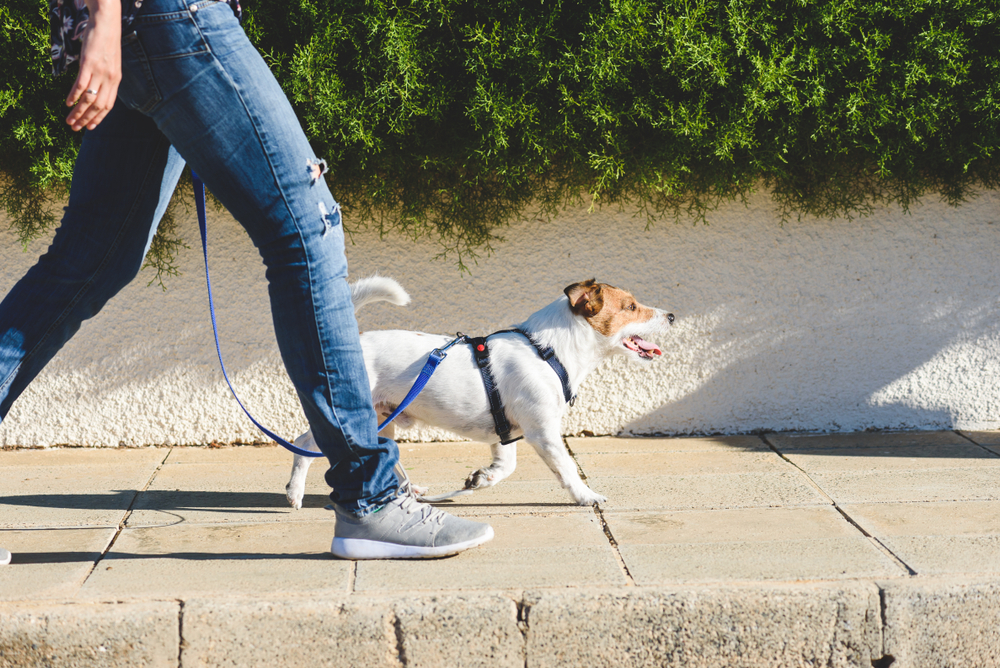
Why Does My Dog Bark at Other Dogs on Walks?
Barking at other dogs during walks is a common behaviour exhibited by many dogs. This response can stem from a variety of factors, including:
- Territorial Behavior: Your dog may perceive other dogs as intruders in their space and bark to assert dominance or protect their territory.
- Socialisation Issues: Dogs that haven’t been adequately socialised with other dogs may feel uncertain or anxious, prompting them to bark out of fear.
- Excitement: Some dogs may bark excitedly when they see other dogs, eager to play or interact, because they have never asked to contain themselves or check in on their owners prior to meeting dogs.
- Frustration: If leashed, a dog might bark because they want to approach or greet the other dog but are unable to do so.
Solutions:
Desensitization: Gradually expose your dog to other dogs from a distance while rewarding calm behaviour. This can help them learn that other dogs are not threats.
Calm State of Mind Rewards: Reward your dog with treats or praise when they remain calm around other dogs during walks. This reinforces the idea that calm behaviour leads to positive outcomes.
Exercise: Ensure your dog receives enough physical exercise before walks. A well-exercised dog is less likely to bark excessively out of energy or excitement.
Impulse Control Training: Teach markers such as “good” (duration) or non verbal check-ins to redirect your dog’s attention away from other dogs when necessary.
Socialization: Arrange controlled playdates or join dog training classes to help your dog become more comfortable with their peers, reducing the likelihood of barking out of anxiety. Focus on basic commands during their socialization to gauge how much impulse control the dog has during these exciting greetings, this helps you feel out things before they turn into an avalanche we can’t control.
Conclusion
Managing your dog’s barking and whining may take some time and patience, but it’s definitely achievable with the right approach. By understanding why your dog barks or whines and implementing these practical solutions, you can create a more peaceful and enjoyable environment for both you and your furry friend.